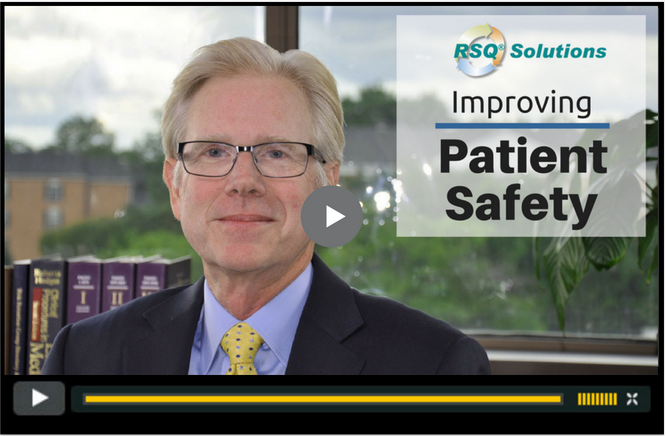
Creating a Patient Safety Culture
March 14, 2016
Current strides in improving patient safety in hospitals and medical facilities provide clear evidence that the healthcare industry has the capacity for meaningful change. However, providers continue to face significant obstacles; perhaps the biggest obstacle of all revolves around developing and expanding a vigorous “safety culture.” Indeed, much of the focus has been on technology…Read More
An Overview of Pediatric Malpractice
March 7, 2016
The practice of pediatrics is relatively unique from a risk management perspective. One study placed the risks associated with the practice of pediatrics relative to other specialties as 25th out of 26 specialties with regard to the risk of being sued. However, although the risk of being sued is relatively low, another study found that…Read More
Thoracic Aortic Dissection: The Great Masquerader
February 29, 2016
Not all chest pain is a heart attack. While acute coronary syndrome (ACS) may be the most common serious cause of chest pain, clinicians must keep other dangerous conditions in the differential diagnosis and eliminate the possibilities based on the patient’s history, risk stratification, physical exam and diagnostic testing. One of the most dramatic and…Read More
7 Strategies to Reduce Hospital Readmissions
February 16, 2016
Preventable hospital readmissions cost taxpayers billions of dollars each year. As we move further into the age of healthcare reform, practitioners will feel rising pressure to reduce costs and decrease unnecessary and preventable re-hospitalizations. Providers cannot and should not avoid the readmission of patients when medical or surgical situations require inpatient care. However, a fair…Read More
Heart Disease in Women: Underdiagnosed and Undertreated
February 8, 2016
February is American Heart Month 2016 and an appropriate time to recognize the recent reduction in mortality rate from cardiovascular disease in women. The increased awareness of women and healthcare professionals has resulted in better care and is at least partially responsible for the lower death rate from heart disease seen over the past decade….Read More
Diagnostic Error: Chaos or Conquerable?
February 3, 2016
Given that proven effective solutions exist today, why haven’t more institutions implemented programs that have proven to reduce diagnostic errors? I listened with great interest to the interview conducted by Dr. Robert Wachter with Dr. Mark Graber in the January 2016 podcast of “Perspectives on Safety,” also published in the AHRQ PSNet. Dr. Graber makes…Read More
Key Considerations When Funding a Patient Safety Program
January 27, 2016
Funding a patient safety program can be challenging, especially when the return on investment is constantly under scrutiny. While the ultimate goal of your program is safer care of patients, there are also measurable financial benefits that result from reduction in claims and malpractice litigation. Professional liability carriers, whether commercial or self-insured, also have a…Read More
Avoid Readmissions vs. Death After Discharge
January 13, 2016
It is certainly a good idea to avoid readmissions that are deemed unnecessary. However, from the vantage point of risk and patient safety, the sword of readmissions reduction has another sharp and dangerous edge. Plain and simple, along with sensible system solutions, there will be irrational but powerful pressures exerted on the gatekeepers of inpatient…Read More
Case on Batch Medical Incidents: Catastrophic System Risk
December 9, 2015
The following case is from an online CME course by Dan Sullivan, MD, JD, FACEP. The course, Batch Events – Catastrophic System Risk, explores the question: What is a batch medical incident or claim and why read a course on this subject? Batch medical incident is a term coined by the insurance industry to recognize…Read More
RSQ Collaborative Semi-Annual Gathering Recap
November 24, 2015
In pursuit of our mission to improve patient safety and reduce risk, The Sullivan Group (TSG) held our semi-annual gathering of the Risk, Safety, and Quality (RSQ™) Collaborative in mid-November. The RSQ Collaborative, formed in 2010, is an elite group of nationally and internationally recognized clinical champions that share TSG’s passion for reducing medical risk,…Read More